Innovation is the core driving force for Handa's sustainable development. In 2025, we further advanced the "Technology-driven Handa" strategy and established a three-tier R&D system consisting of the corporate R&D center, industry-university-research cooperation and global innovation network. Focusing on sustainable materials, low-carbon processes and functional fabrics, we leverage technological innovation to fuel the company's green transition and high-quality development.
In 2025, the company's R&D investment reached 55.14 million yuan. A total of 32 new patents were granted, including 13 invention patents, 18 utility model patents and 1 design patent. The R&D team has grown to over 100 professionals, covering material development, fabric design, dyeing and finishing processes, intelligent garment manufacturing and other fields.
Industries hold innovation and improvement commendation conference
In February 2025, Handa Industries An innovation and improvement commendation conference will be held to recognize individuals and teams that have made outstanding contributions in the annual innovation competition.
At the meeting,each Department representatives presented their innovative case studies, covering areas such as fabric research and development, market expansion, production control, and customer service. Individual and team awards for innovation and improvement were presented at the conference.
Innovation is key for Industries to cope with market changes and maintain competitiveness. In the future, the company will increase investment in innovation, build a broad innovation platform, and stimulate the innovative vitality of all employees. At the same time, it will accelerate the transformation of innovative achievements and promote a comprehensive upgrade in fabric research and development, market expansion, production control, and customer service.
Core Design and Development Achievements

Since Handa Industries established its Apparel Design Department in 2020, we have been committed to driving the company's transformation from OEM to ODM through innovative design and in-depth market insights. In 2025, in addition to the existing three core categories of sportswear, casual wear, and workwear, the apparel design department will add an underwear module, officially expanding to four core modules, further enriching the product matrix and meeting diverse market demands. Simultaneously, relying on 3D & AI design technology, we will achieve intelligent empowerment across the entire chain from creative concept to commercialization, significantly improving R&D efficiency and product launch speed, and driving the efficient transformation of design value.

1.Comprehensive Training Series:
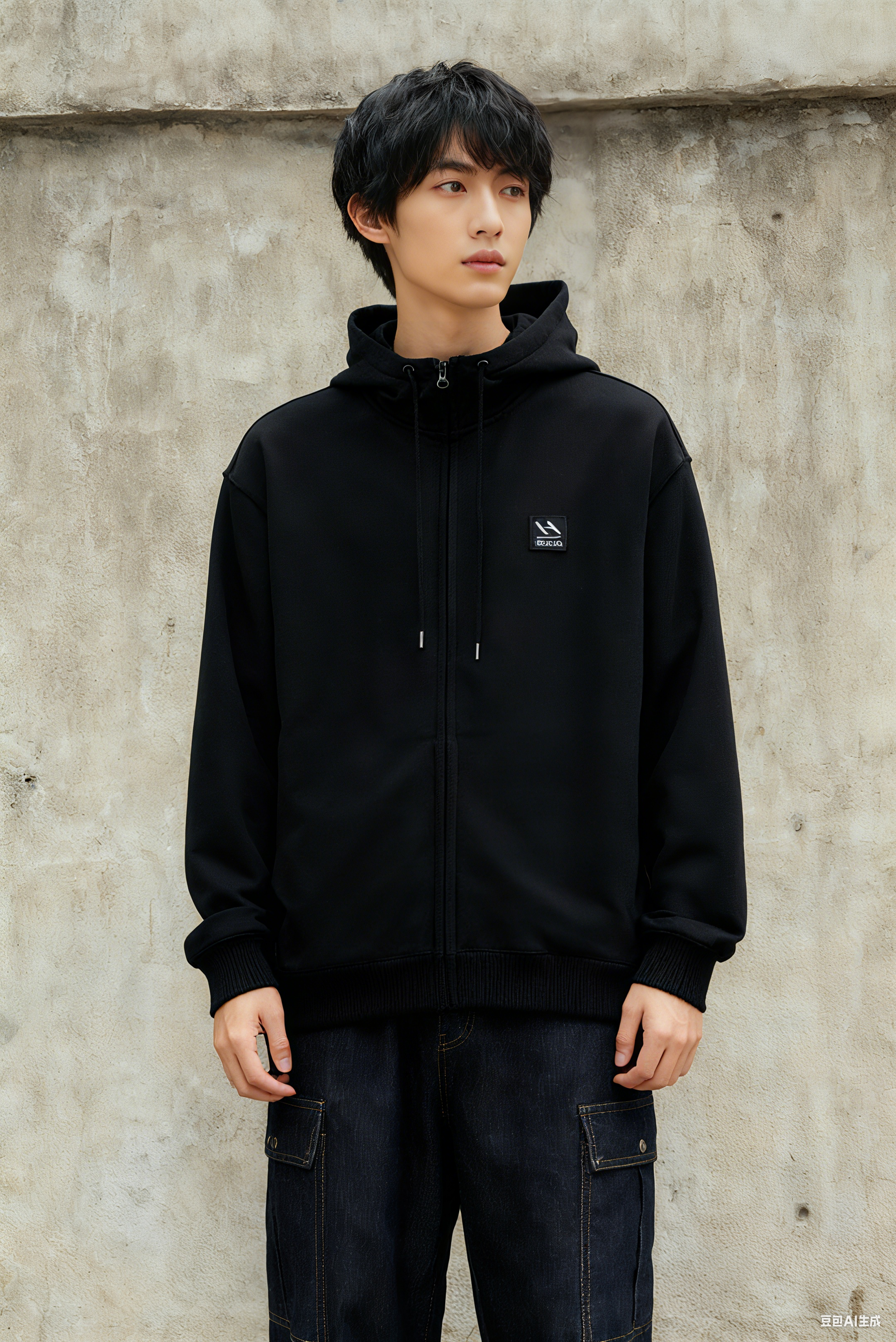
Designed specifically for running, high-intensity workouts, and professional training, this series includes T-shirts, sweatshirts, training pants, zip-up jackets, and more. Emphasizing a balance between functionality and style, it uses quick-drying, breathable fabrics to meet the demands of high-intensity exercise, providing competitive-grade gear for professional athletes and fitness enthusiasts.
2.Fashionable Sports Series:
Focusing on various scenarios such as yoga, light travel, and jogging, the products include yoga pants, vests, and skirts. With lightweight comfort as the core concept, these series use highly elastic and soft fabrics, balancing athletic functionality with everyday style to meet the modern woman's dual pursuit of comfort and fashion.
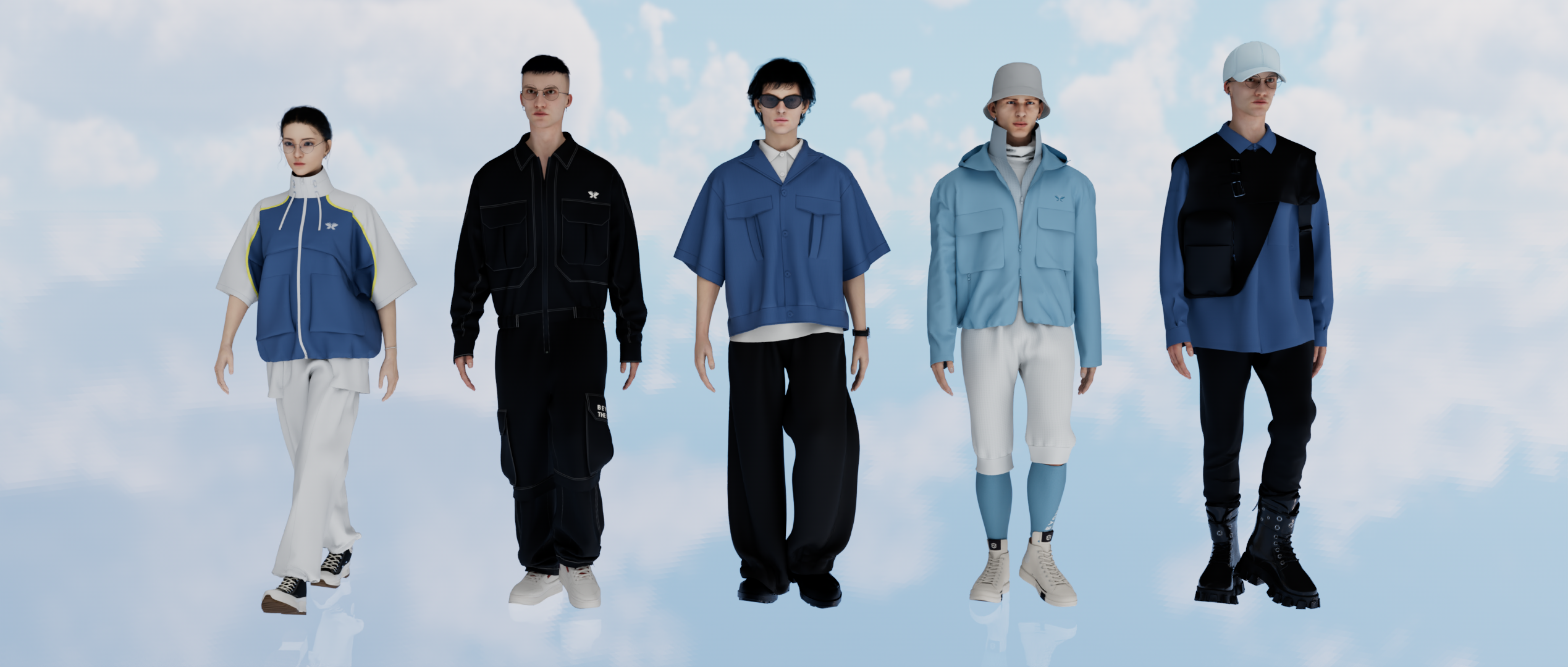


1.Urban Commuter Series:Designed specifically for business and daily commuting scenarios, with a core philosophy of simplicity, sophistication, and meticulous craftsmanship. It features carefully selected high-quality fabrics and clean, tailored cuts, enhancing the quality of details and the practicality of wear, meeting the dual needs of modern urbanites for a professional image and comfortable clothing.
2.Fashionable and Modern Series:Focusing on individual expression and design, this series uses special textured fabrics and unique silhouettes, layering, and exquisite details to create fashionable items with an artistic flair, satisfying consumers who pursue avant-garde style and quality of life.
3.Basic Versatile Series:Centered on comfortable fits and versatility, this series includes everyday items such as T-shirts, sweatshirts, and trousers. Made with skin-friendly fabrics and simple designs, these pieces easily blend into various outfits, meeting the daily wear needs of consumers of different ages.
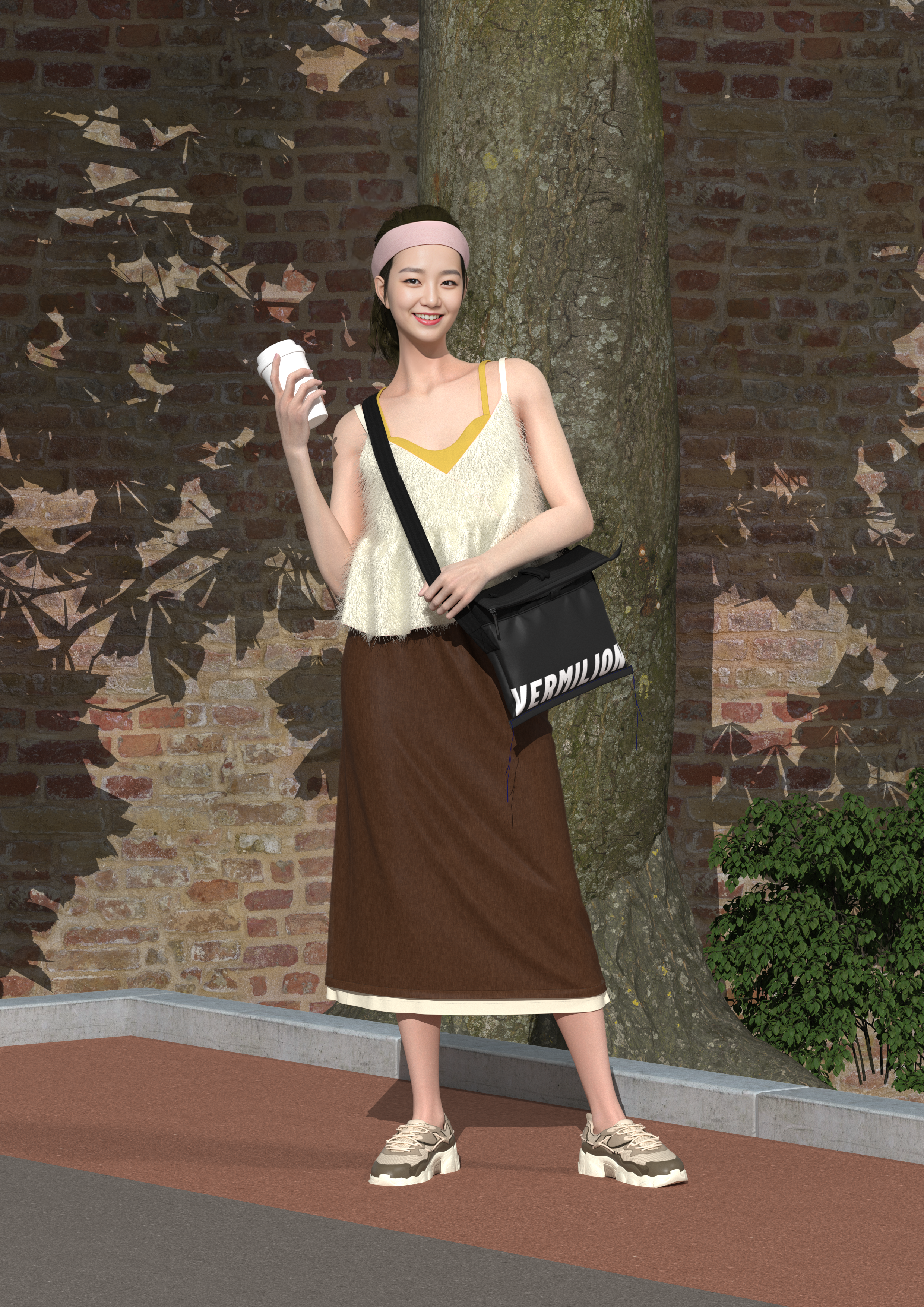
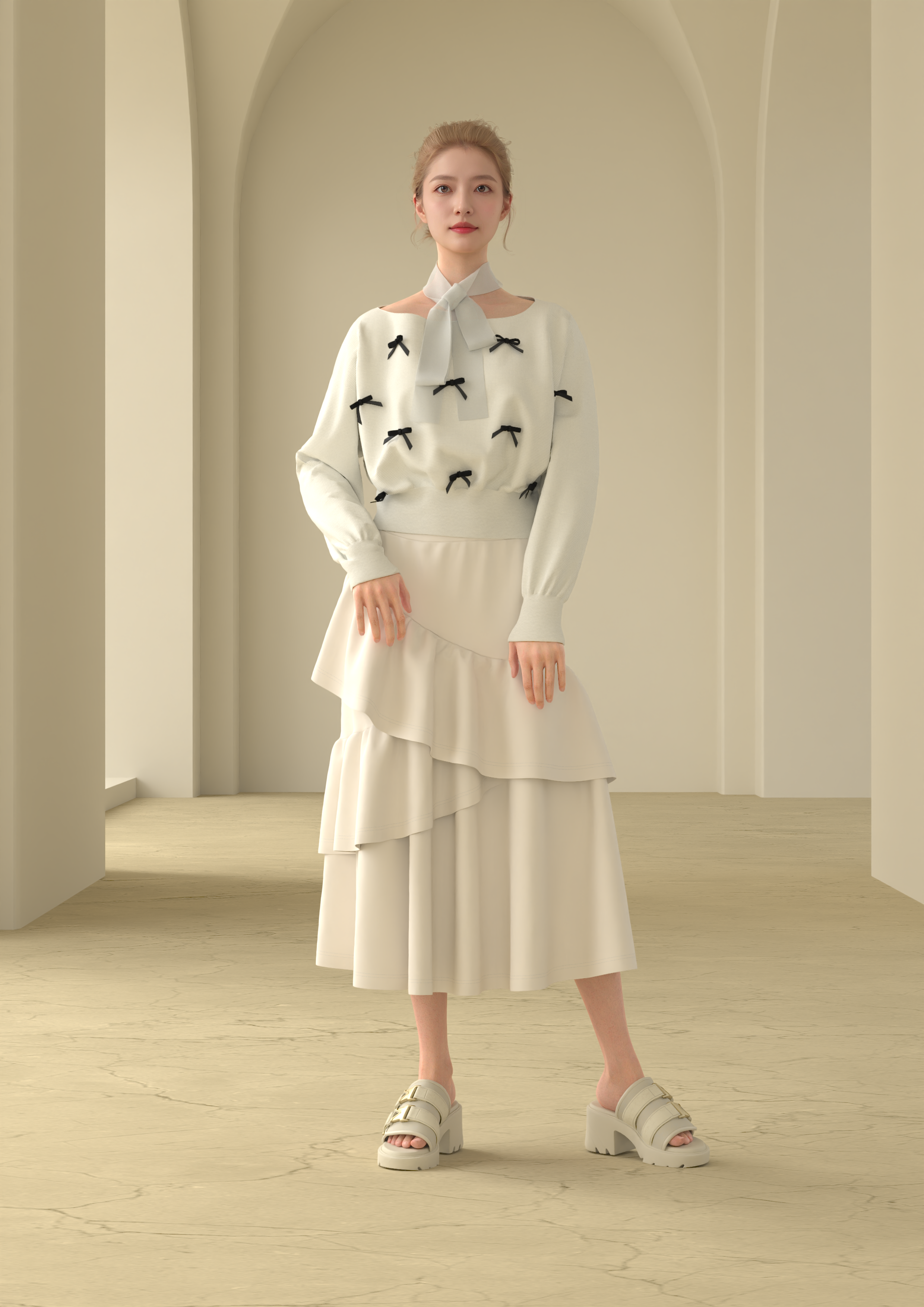

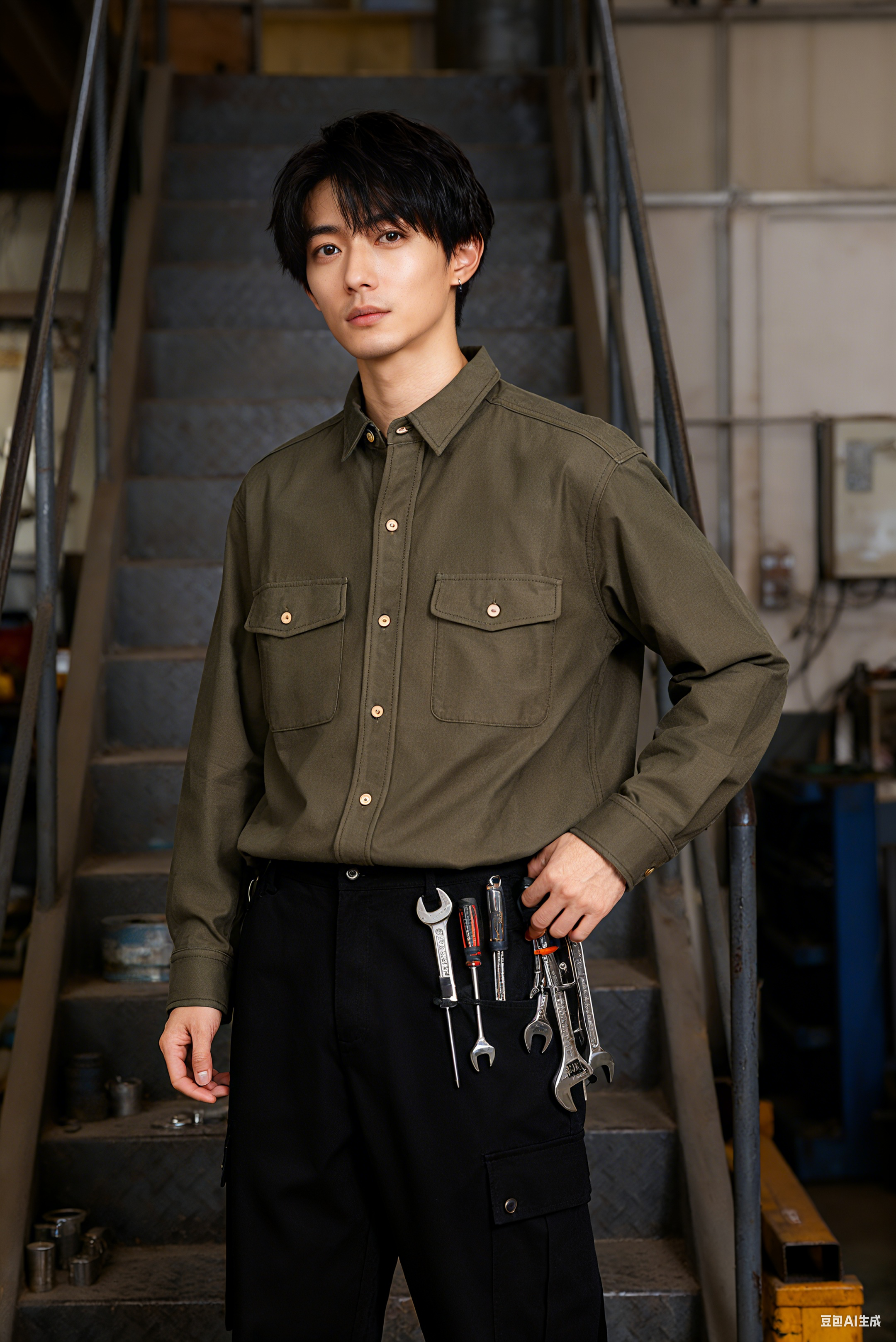
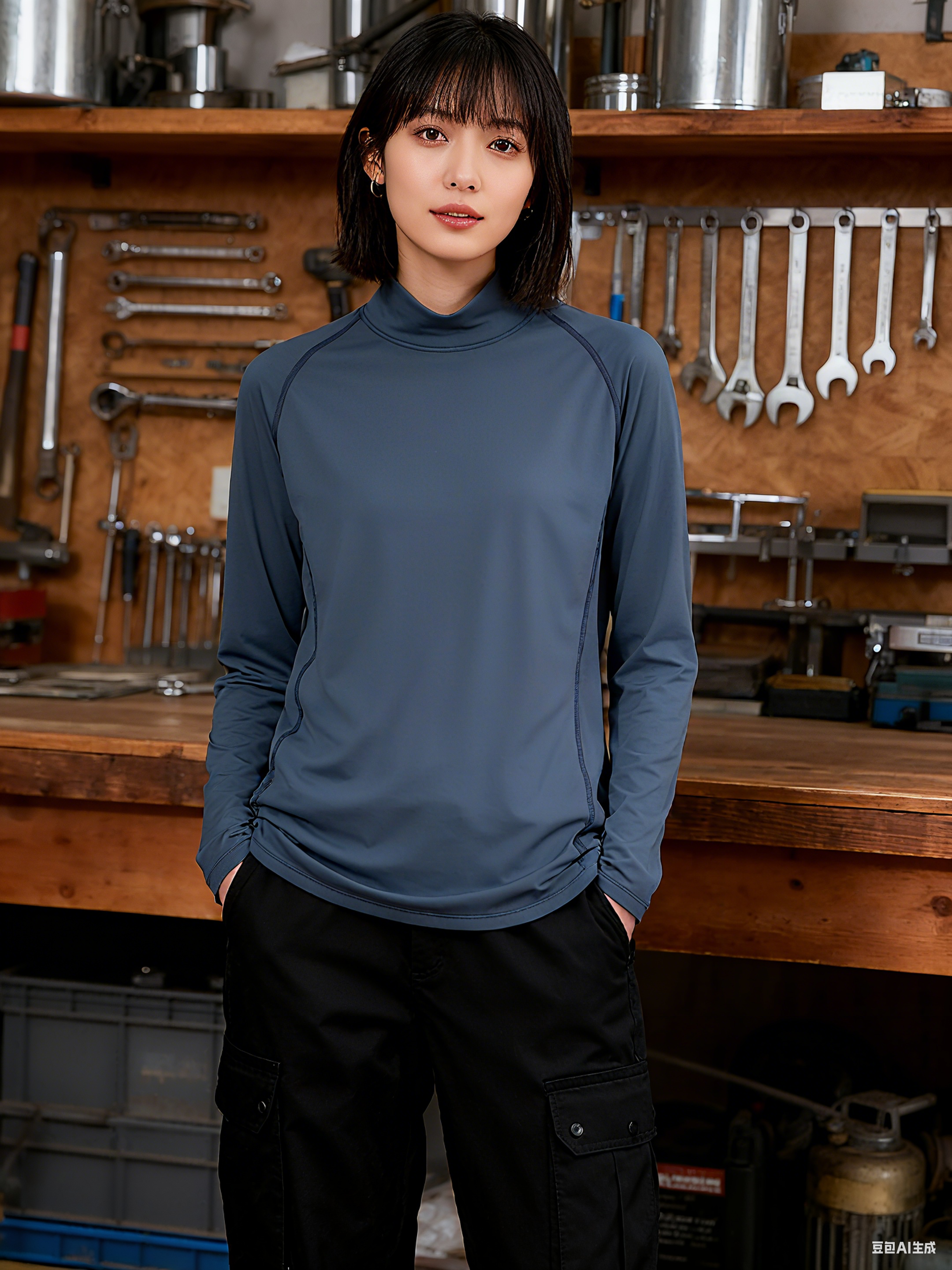
1. Classic and Practical Series:Designed specifically for working professionals, this series includes work pants, shirts, and jackets. Made with stain-resistant and durable fabrics, it emphasizes practical details such as multiple pockets, meeting both professional and comfortable needs while projecting a polished professional image.
2. Fashionable and Individualistic Series:Targeting professionals who pursue a unique style, this series features polo shirts, jumpsuits, compression garments, and more. It cleverly blends cutting-edge trends with playful design ideas, meeting the functional needs of the workplace while showcasing the wearer's unique taste through creative details, allowing professional image and individual expression to coexist harmoniously.
3. Comfortable and Lightweight Series:Designed specifically for people who need to work for long periods of time, the series includes loose-fitting shirts, knitwear, and lightweight jackets. Made with breathable and durable fabrics, it emphasizes both comfort and natural aesthetics, allowing workers to experience a comfortable and stylish dressing experience in their daily lives.

1. Basic Comfort Series: Centered on seamless and skin-friendly design, this series includes basic items such as bras, panties, and base layers. Made with highly elastic and soft fabric, it conforms to the body's curves, suitable for daily commutes and loungewear, creating a "second skin" level of comfort.
2. Technological Care Series:Utilizing antibacterial, moisture-wicking, and intelligent temperature-controlled fabrics, this series comprehensively upgrades the wearing experience and health benefits. Suitable for diverse scenarios such as sports recovery and daily care, it precisely meets the upgraded functional underwear needs of modern consumers.
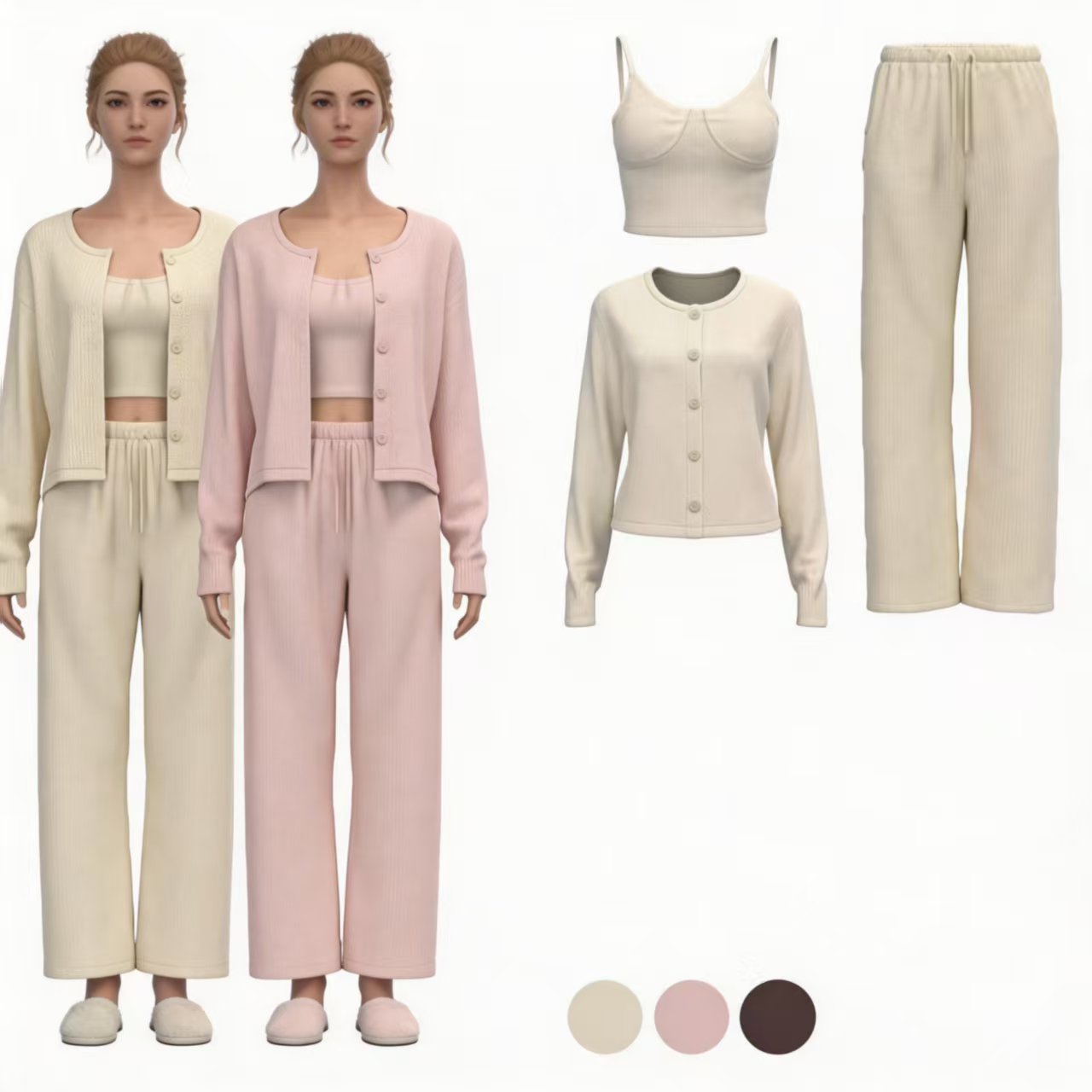
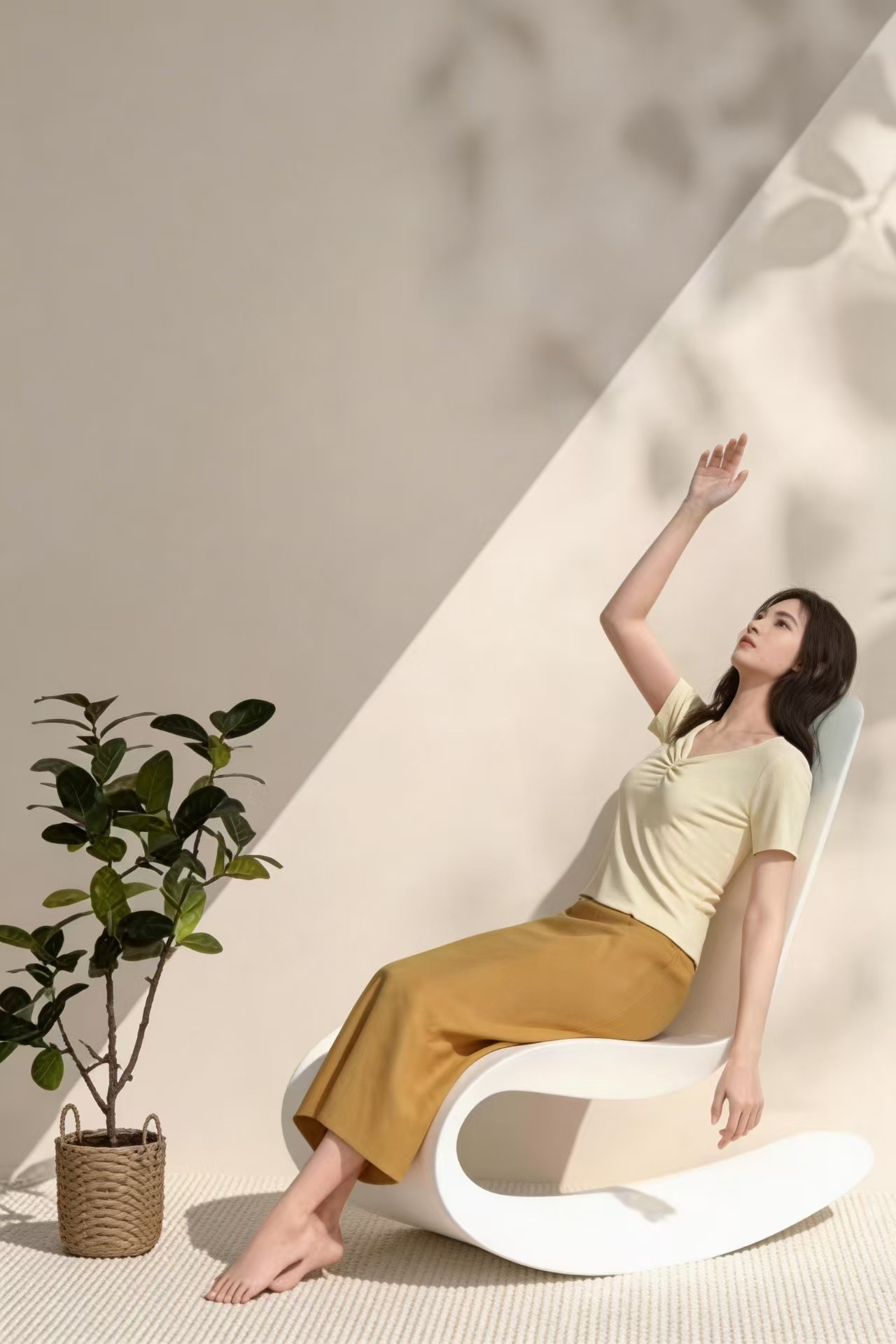

In 2025, Handa Apparel Design Department fully upgraded its 3D digital design system, deeply integrated AI technology, and built a full-chain intelligent process from creative generation, design iteration, virtual display to market feedback, significantly improving product development efficiency and market response speed.

1. Intelligent Trend Insight and Analysis:The AI system analyzes global fashion trends, best-selling product categories, and consumer preferences in real time, providing designers with accurate product positioning data support and assisting in forward-looking decision-making.
2. AI Concept Visualization:Input style keywords and core element tags, and AI algorithms will instantly generate multi-dimensional creative solutions and visualize them, breaking through the constraints of traditional inspiration and accelerating the design iteration process.
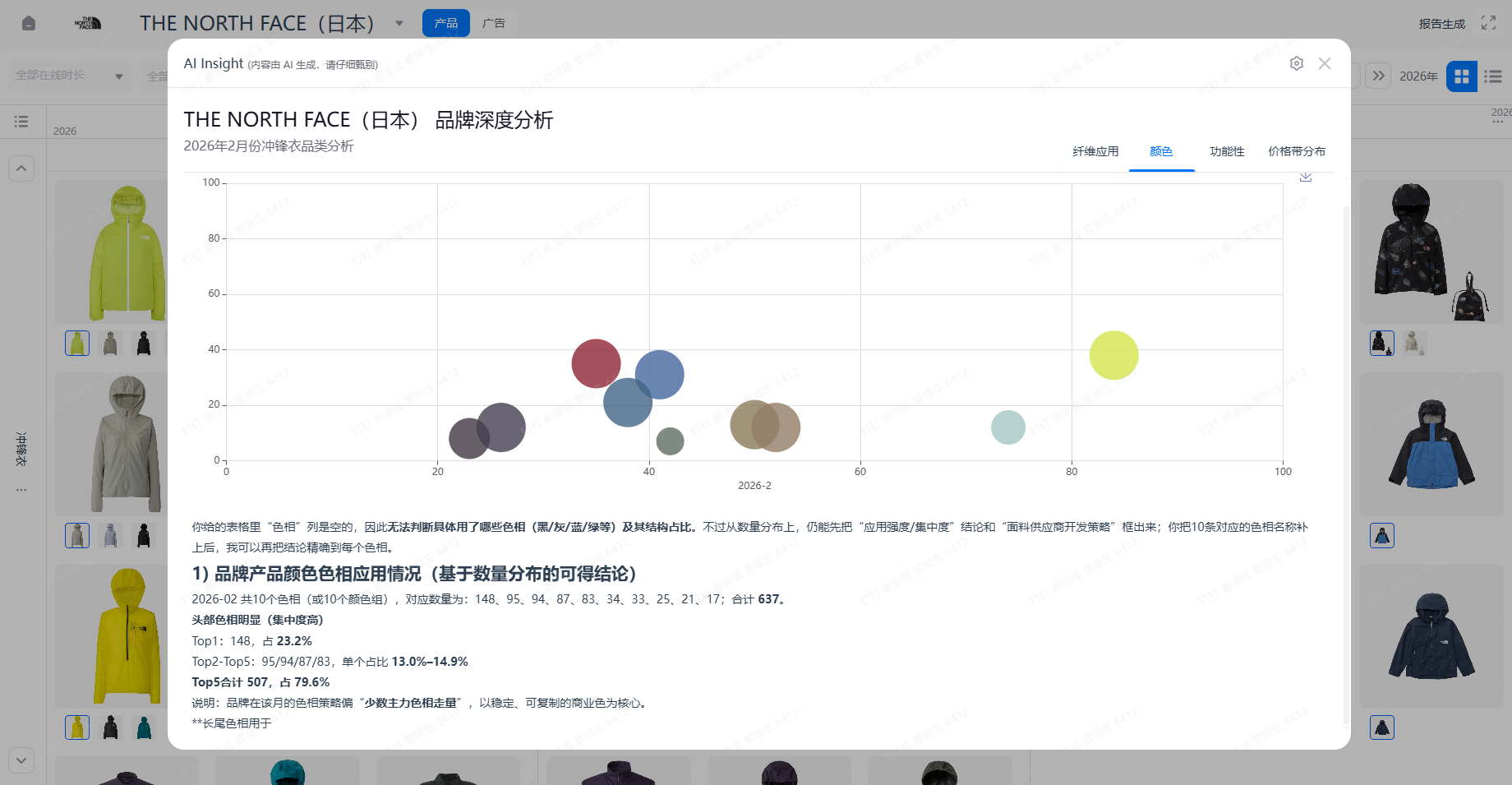
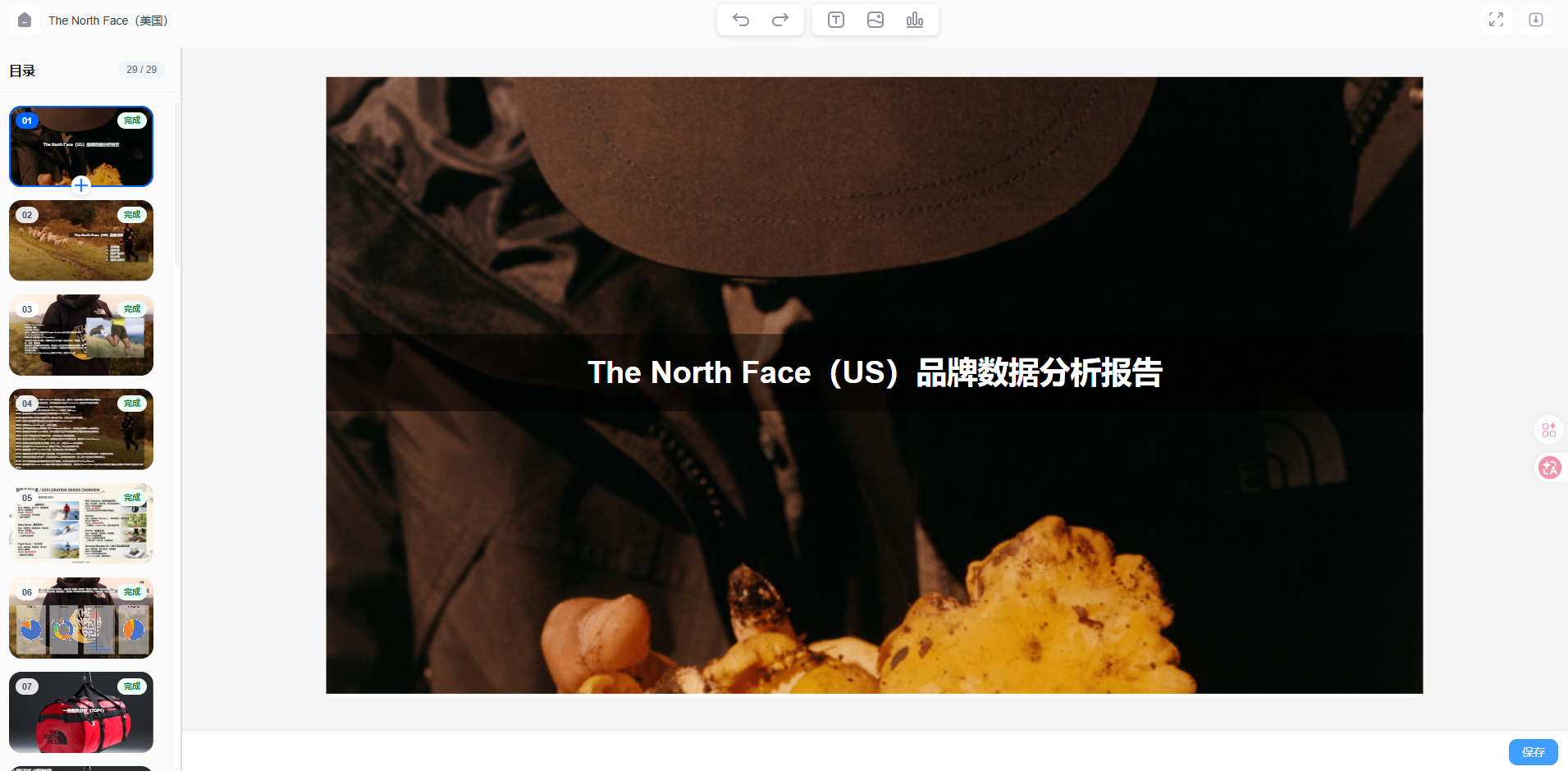

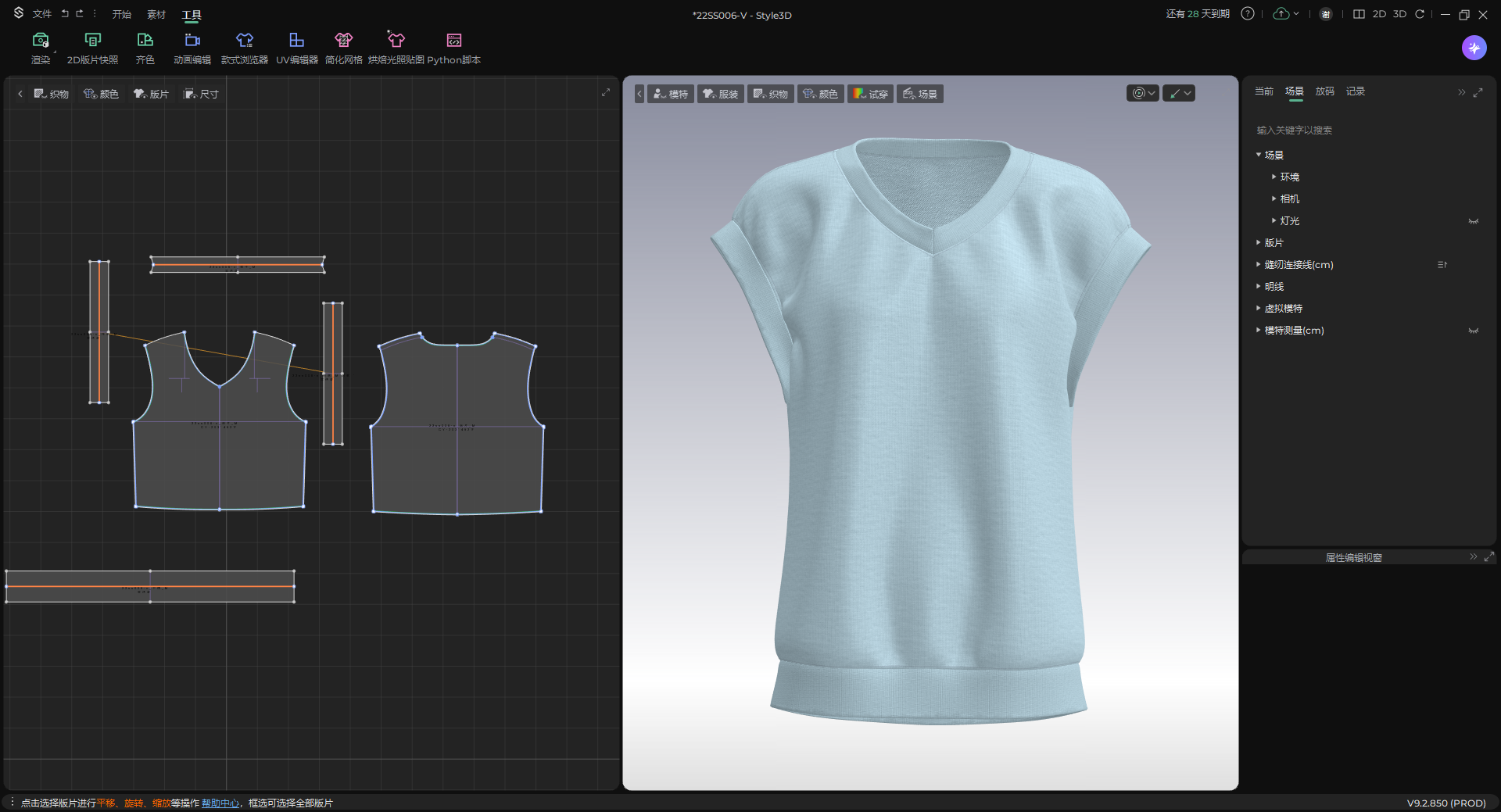
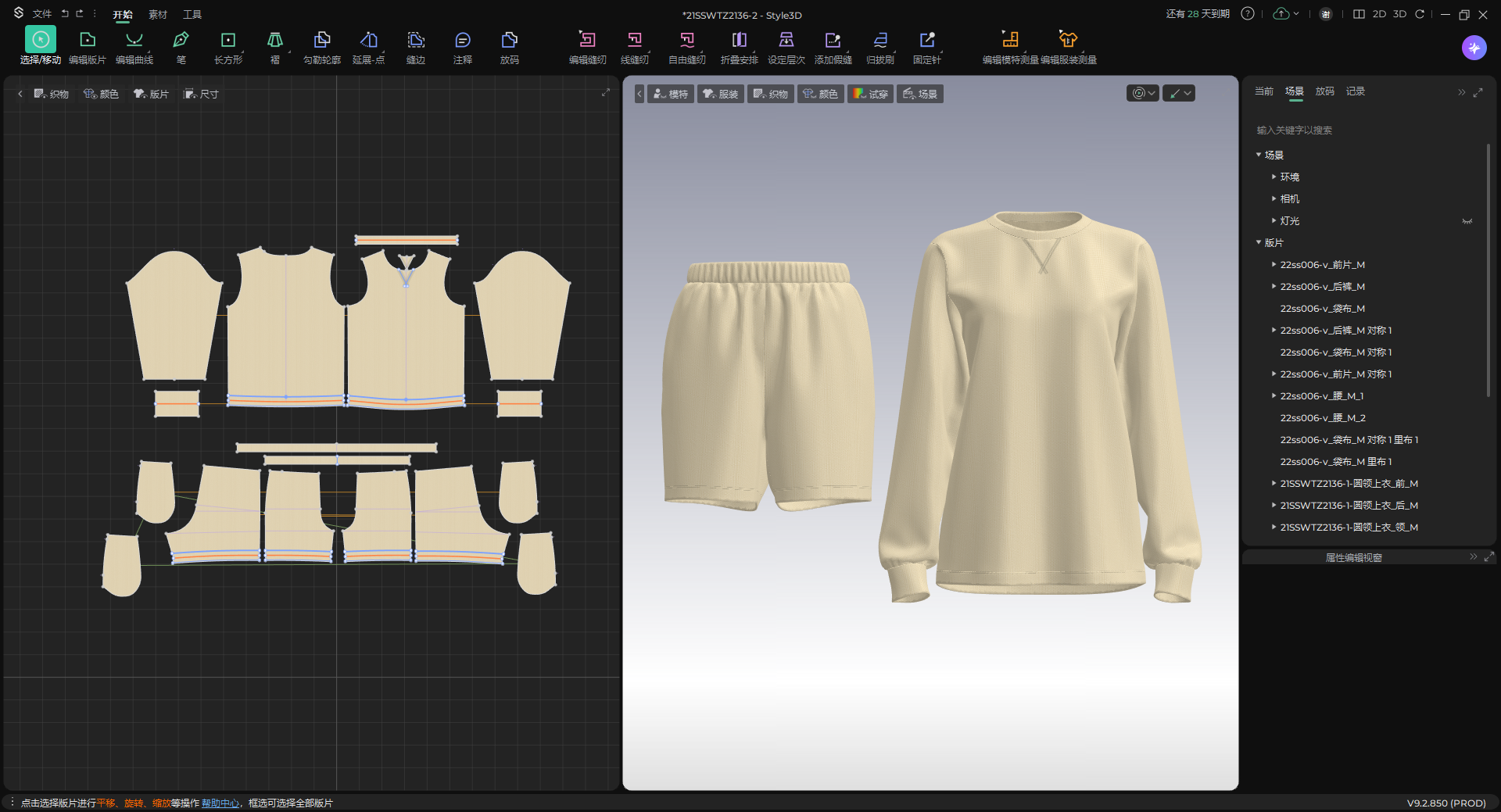
1. 3D digital modeling and prototyping:With the help of advanced 3D technology, high-precision and high-fidelity samples are built in virtual space, reducing the traditional physical sample production process and achieving efficient use and sustainable consumption of resources.
2. 3D Rapid Redesign:Leveraging AI's powerful data analysis capabilities, the system automatically optimizes design schemes for garment structure, pattern, and fabric, thereby improving R&D efficiency.
3. 3D rendering simulation technology:High-precision simulation of fabric texture, color presentation and wearing effect, accurately predicting the final physical appearance of the product.

1. AI Virtual Fitting and Scene Display:Through virtual models and multi-scene rendering, present the real wearing effect of products, improve customer experience and decision-making efficiency.
2. Intelligent Recommendation and Market Matching:AI analyzes customer brand style and market demand, automatically matching and recommending product solutions to improve product selection success rate and order conversion rate.
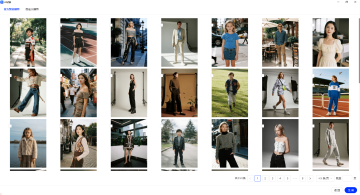
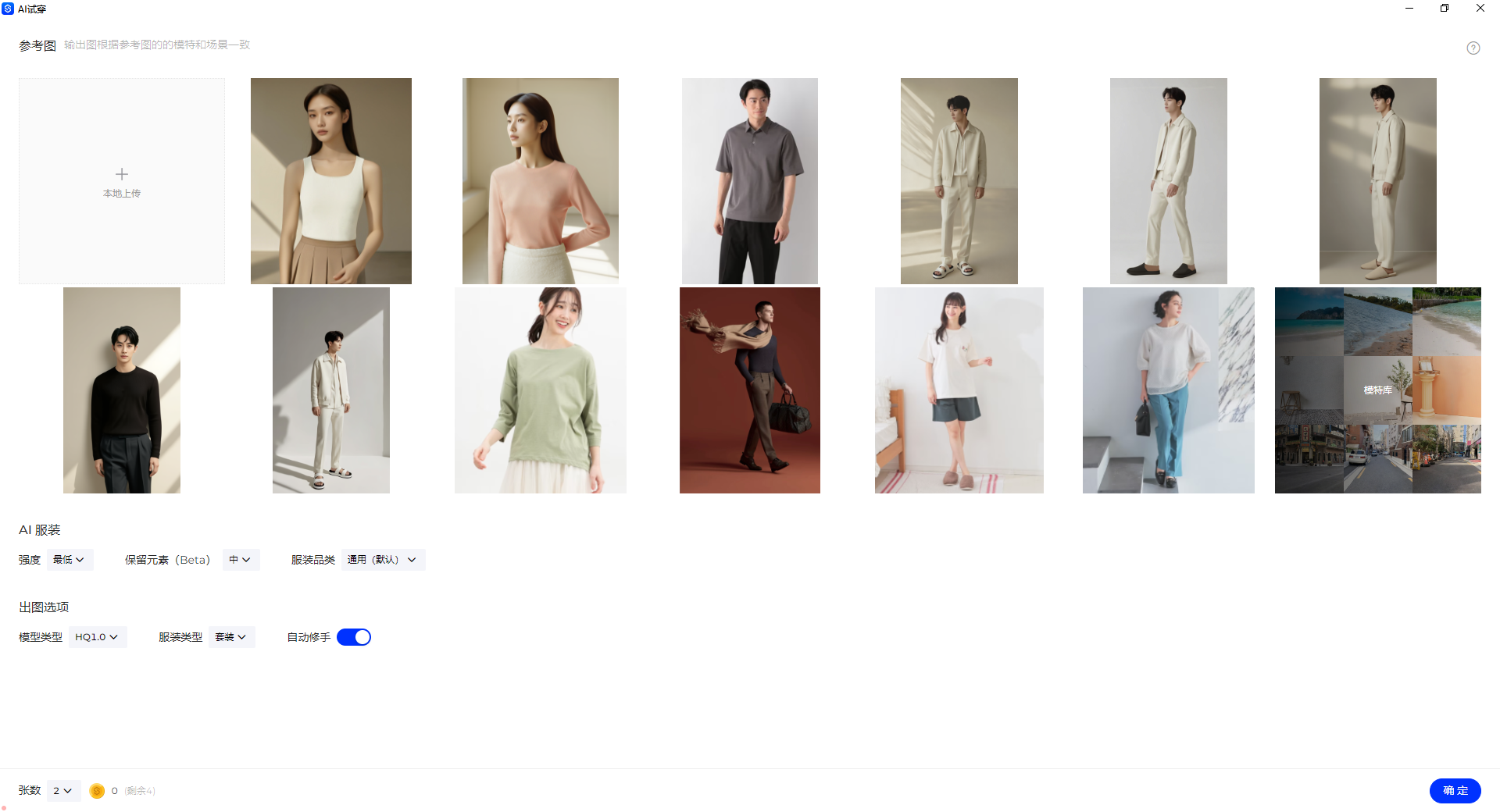
In 2025, Handa's apparel design department precisely designed over 1,000+ products using 3D digital technology, with over 100+ of these designs adopted by internationally renowned brands such as Honeys, ADASTRIA, SHIMAMURA, azul, THE NORTH FACE, Columbia, MUJI, WORKMAN, and UBRAS, achieving sales exceeding 55 million yuan. Looking ahead, Handa will continue to deepen the application of 3D & AI technology throughout the entire process, driving apparel design towards greater efficiency, intelligence, and environmental friendliness, bringing more surprises and possibilities to global consumers and brand clients.

As the "Functional Knitted Fabrics Trend Research Center of China National Textile and Apparel Council"Collaborative Innovation Center for Functional Knitted Fabrics in the Textile Industry,Handa Industries has always focused on the research, innovation, and promotion of functional and differentiated knitted fabrics. Through continuous research into new domestic and international raw materials, advanced weaving technologies, and advanced finishing techniques, combined with cutting-edge fashion trends and brand direction, the company constantly innovates and upgrades its products. At the same time, the company consistently practices the "Green Handa" development strategy, effectively utilizing environmentally friendly, recycled, and sustainable materials in its research and development to minimize negative environmental impacts from the source.
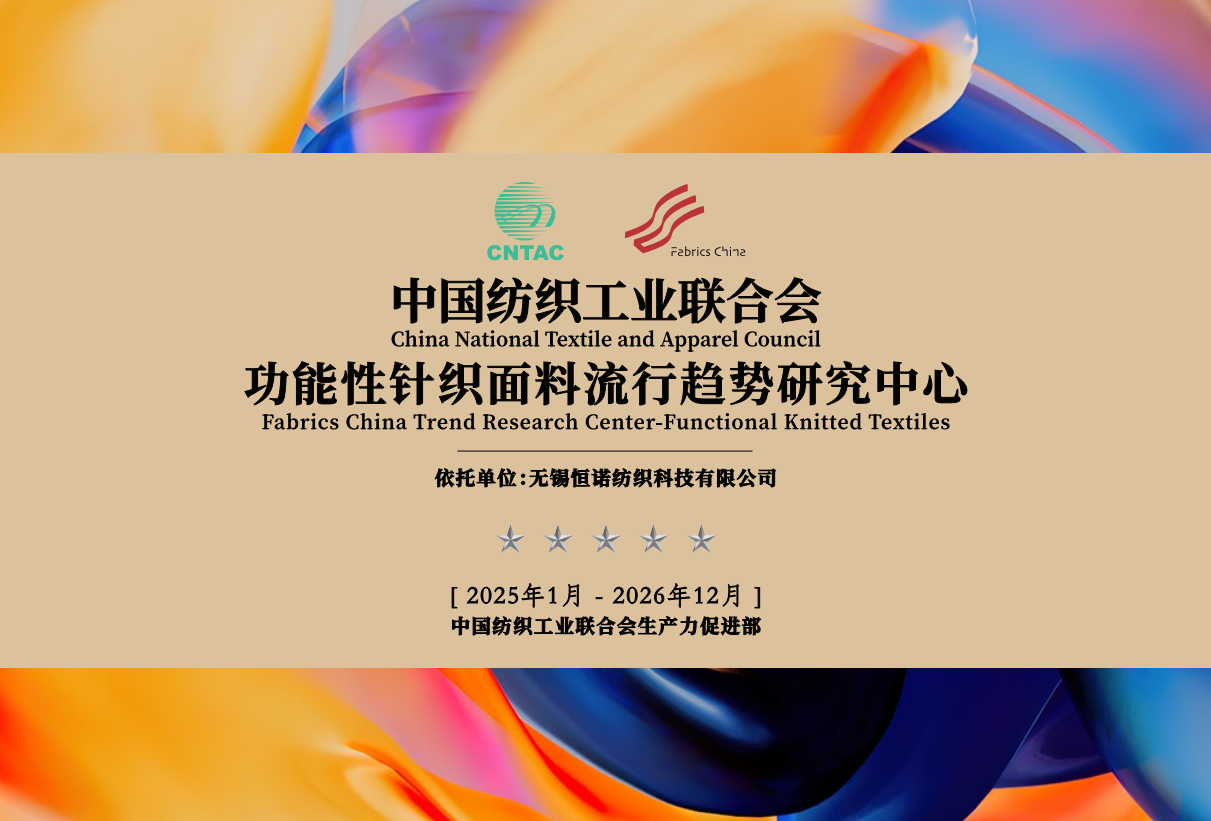
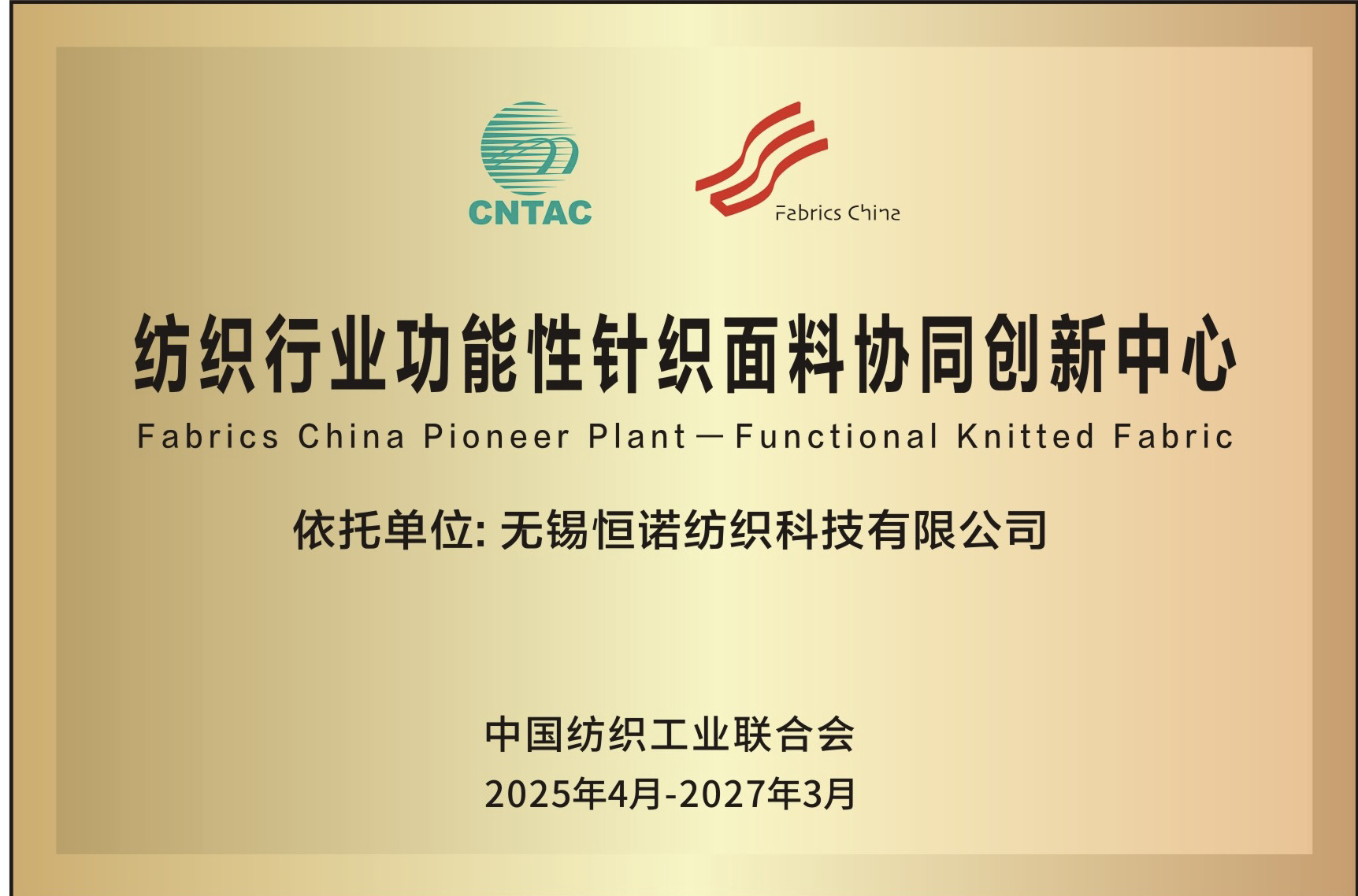
In 2025, the fabric R&D team focused on upgrading environmentally friendly raw materials, carried out routine iterative optimization of classic categories, and applied recycled or biodegradable raw materials such as wool and paper yarn to continuously improve the eco-friendliness and wearability of products, and promote the transformation of traditional fabrics towards low-carbon and circular transformation.
In terms of cutting-edge technological breakthroughs, we have innovatively developed a series of carbon-negative fabrics. By making groundbreaking use of carbon capture and conversion technology, we can accurately capture waste CO₂ molecules in industrial settings and convert them into green raw materials for polyester fibers. This reduces textile production pollution at the source and creates truly green products.
By leveraging technological innovation, we aim to achieve a leap from zero carbon to negative carbon in fabric carbon footprint. We will reconstruct the low-carbon path of the textile industry with disruptive raw material solutions, providing feasible and scalable environmental protection solutions for the industry's green transformation. We will safeguard ecological balance with the power of science and technology and help achieve the "dual carbon" goals.
Industry-University-Research Collaborative Innovation
In 2025, we will continue to deepen our industry-university-research cooperation with top domestic universities in the textile field, such as Donghua University and Jiangnan University, to jointly build a research and development center. This center will focus on collaborative research in areas such as low-carbon fabrics, green processes, and intelligent manufacturing, accelerating the transformation of scientific and technological achievements. Simultaneously, we will actively participate in the formulation of industry standards, contributing our expertise and cutting-edge technologies to industry norms.
Hengnuo Technology's achievements in recycled polypropylene fabrics have garnered attention from Nature.
Hengnuo Technology, a subsidiary of Handa Industries, has garnered attention and coverage for its recycled polypropylene fabric developed by the journal *Nature*. This fabric, primarily used in the company's sports T-shirts, is made from recycled polypropylene food containers and PET beverage bottles. Each T-shirt consumes approximately 2.2 discarded polypropylene containers and 10 PET beverage bottles, achieving the recycling of waste plastics. Over its production lifecycle, this recycled polypropylene fabric reduces carbon emissions by about 70% compared to traditional plastic materials.
-a858fa1122d9488db7ce28e0d6745ab6.jpg)
-138e2f1d10724bb1b86d1ba7ecff038e.jpg)
-76bc9e6a428145c0834ec79cc13cacee.jpg)