Environmental and Energy Management System
Handa Industries consistently adheres to the "Green Handa" development strategy, strictly abides by environmental protection laws and regulations in its operating locations, and has established a comprehensive "Green Industrial Park" environmental management system. It has successively passed ISO14001 Environmental Management System and ISO50001 Energy Management System certifications, integrating green office practices, clean production, and refined management of waste gas, wastewater, and solid waste throughout the entire production and operation process. The company has established a dedicated EHS management department, staffed with professional environmental management personnel, and regularly conducts environmental training and self-inspections. Through technological innovation and management optimization, it delves into energy efficiency potential to ensure the effective operation of its environmental management system.
In 2025, we conducted a comprehensive environmental risk identification and assessment, and formulated specific control measures for the core environmental risks of the textile industry, achieving full-process management from risk identification to rectification. During the reporting period, the company did not have any major violations of environmental laws and regulations that resulted in penalties, ensuring the park's efficient, high-quality, and low-carbon operation.
Guided by the goal of scientific carbon reduction, Handa Industries is working together across three dimensions: its own operations, green supply chain, and product ecological design. At the operational level, it is increasing the application of renewable energy; at the supply chain level, it is promoting green procurement by suppliers; and at the product level, it is exploring environmentally friendly materials and energy-saving processes, working with global partners to contribute Handa's strength to the zero-carbon transformation of the textile industry.
Environmental risks identified by 2025
| Type | Riskdescribe |
| Wastewater pollution | •Dyeing, rinsing, and other processes use dyes and auxiliaries. If the wastewater is not completely treated and discharged in a harmless manner, it will pollute water bodies and harm ecosystems and human health. |
| Exhaust gas pollution | • Textile processing dust. • Air pollution caused by substandard exhaust emissions from stenter machines. |
| Resource consumption | • Overuse of water resources, especially in printing and dyeing factories. • Regions with unstable power supply, such as Myanmar, rely on diesel generators, increasing carbon emissions. |
| Chemical risks | • Toxic substances remain in the finished product, causing secondary pollution. • Lack of oversight in the use of auxiliaries and other chemicals by Industries |
Organize World Environment Day themed activities
On World Environment Day, June 5, 2025, Handa Industries organized an environmental protection-themed event, encouraging employees to use their cameras to record environmentally friendly behaviors around them. During the event, employees submitted numerous photographs showcasing environmentally conscious moments in their daily lives.
The garment factories across the country are simultaneously implementing green practices: the garment factory in Bangladesh is planting greenery and flowers to beautify the factory area; the garment factory in Egypt is organizing tree planting activities and standardizing waste disposal procedures; and the garment factory in Myanmar is promoting a plastic bottle recycling project and encouraging employees to commute by bicycle or on foot.
This event is a routine initiative by Handa Industries to promote employee participation in environmental protection and create a green cultural atmosphere.
-386554d0388e4be7a850d06fc03b436a.jpg)
-3715b4d648a14aadb26ccac9fcf3463c.jpg)
Clean Energy Transition
Handa Industries actively optimizes its energy structure and vigorously develops renewable energy. By building its own photovoltaic projects and purchasing green energy certificates, it continuously increases the proportion of clean energy used, effectively reduces carbon emissions from production and operation, and comprehensively promotes the company's green and low-carbon transformation and upgrading.
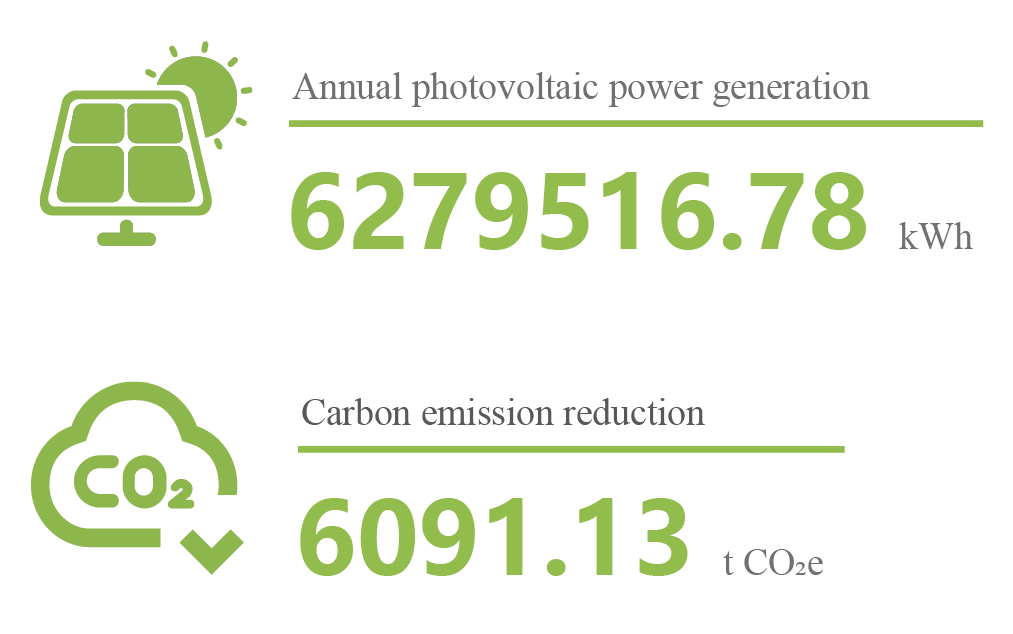
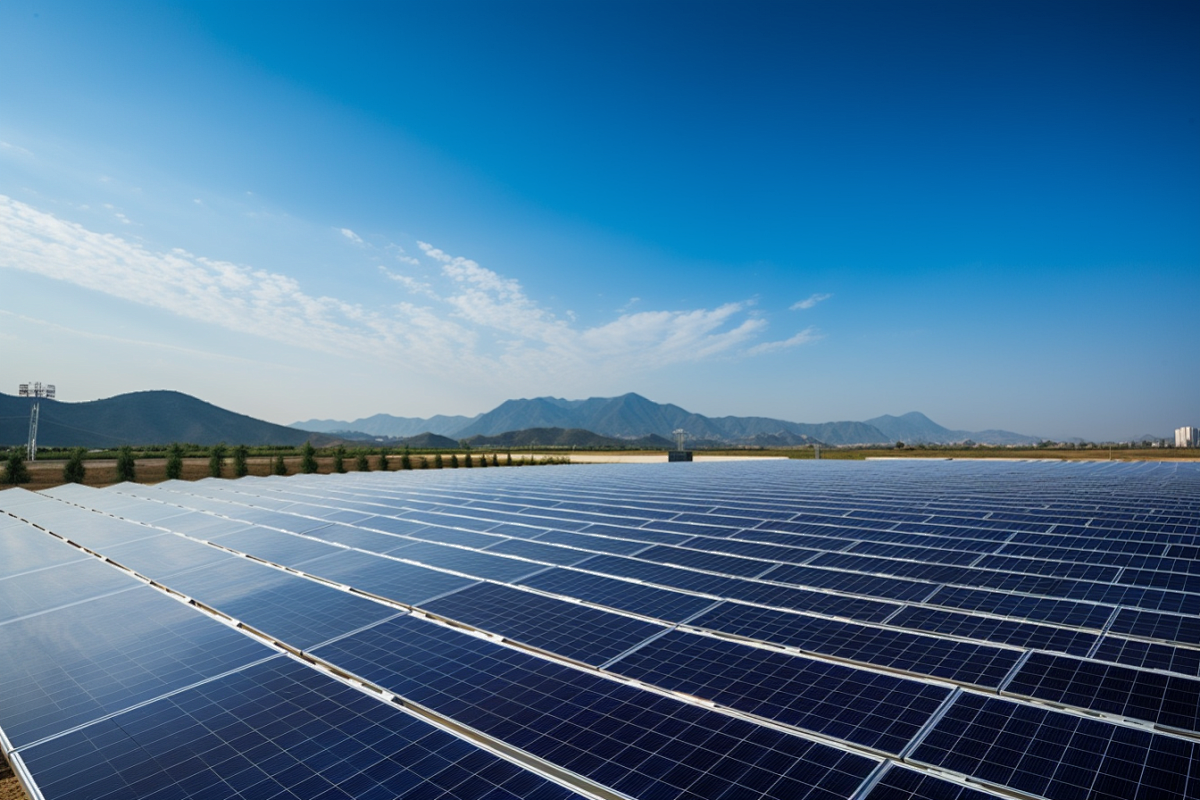
Industries are leveraging their own industrial parks to vigorously promote the construction of distributed photovoltaic power generation projects. In 2025, the rooftop photovoltaic projects in the Wuxi Headquarters Park and the Printing and Dyeing Park were fully operational, with a total installed capacity of 2.2 MW. The total photovoltaic consumption for the year exceeded 6,279,516.78 kWh, accounting for 36% of the total electricity consumption. Among them, the Headquarters Park consumed 4,960,367.88 kWh, the Printing and Dyeing Factory consumed 1,208,540.4 kWh, and the Yunnan Factory consumed 457,439.5 kWh. The total reduction in carbon emissions for the year was equivalent to approximately 6,091.13 t CO₂e.
Building upon its self-generated and self-consumed photovoltaic clean energy, the company further broadened its green energy usage channels by proactively purchasing green electricity certificates to supplement its clean energy consumption. In 2025, the company completed targeted green certificate procurement, including 4,200 green certificates for its dyeing and printing factory and 800 green certificates for its Wuxi headquarters park. Through a dual model of "self-generated photovoltaic power + green certificate purchase," the company further solidified its emission reduction achievements, comprehensively improved its green energy consumption system, and continuously deepened its low-carbon development concept.
Energy-Saving Technological Transformation
In 2025, Handa Industries deepened its commitment to green manufacturing, continuously increasing investment in energy-saving technology upgrades, and focusing on key nodes in dyeing and printing production to implement multiple energy-saving renovation projects. On the one hand, it upgraded the waste heat recovery device of the stenter to recover high-temperature waste gas waste heat for use in heating production cold water, turning waste heat into usable energy. On the other hand, it installed high-temperature direct discharge equipment in the dyeing workshop dyeing vats. After the technical upgrades were implemented, each ton of finished fabric could save 10 tons of water, 22 kWh of electricity, and 0.6 tons of steam. While improving product quality and reducing production costs, it also significantly reduced the consumption of chemical raw materials such as soda ash and sodium hydrosulfite, using technological innovation to contribute to low-carbon and sustainable development.